
Precision casting with excellent quality
Integrated research and development, manufacturing, sales, and technical services of laboratory scientific instruments and intelligent equipment
National Consultation Hotline 15738867410
Integrated research and development, manufacturing, sales, and technical services of laboratory scientific instruments and intelligent equipment
National Consultation Hotline 15738867410

15738867410
Greenland Binhu International City (District 1), Erqi District, Zhengzhou City, Henan Province
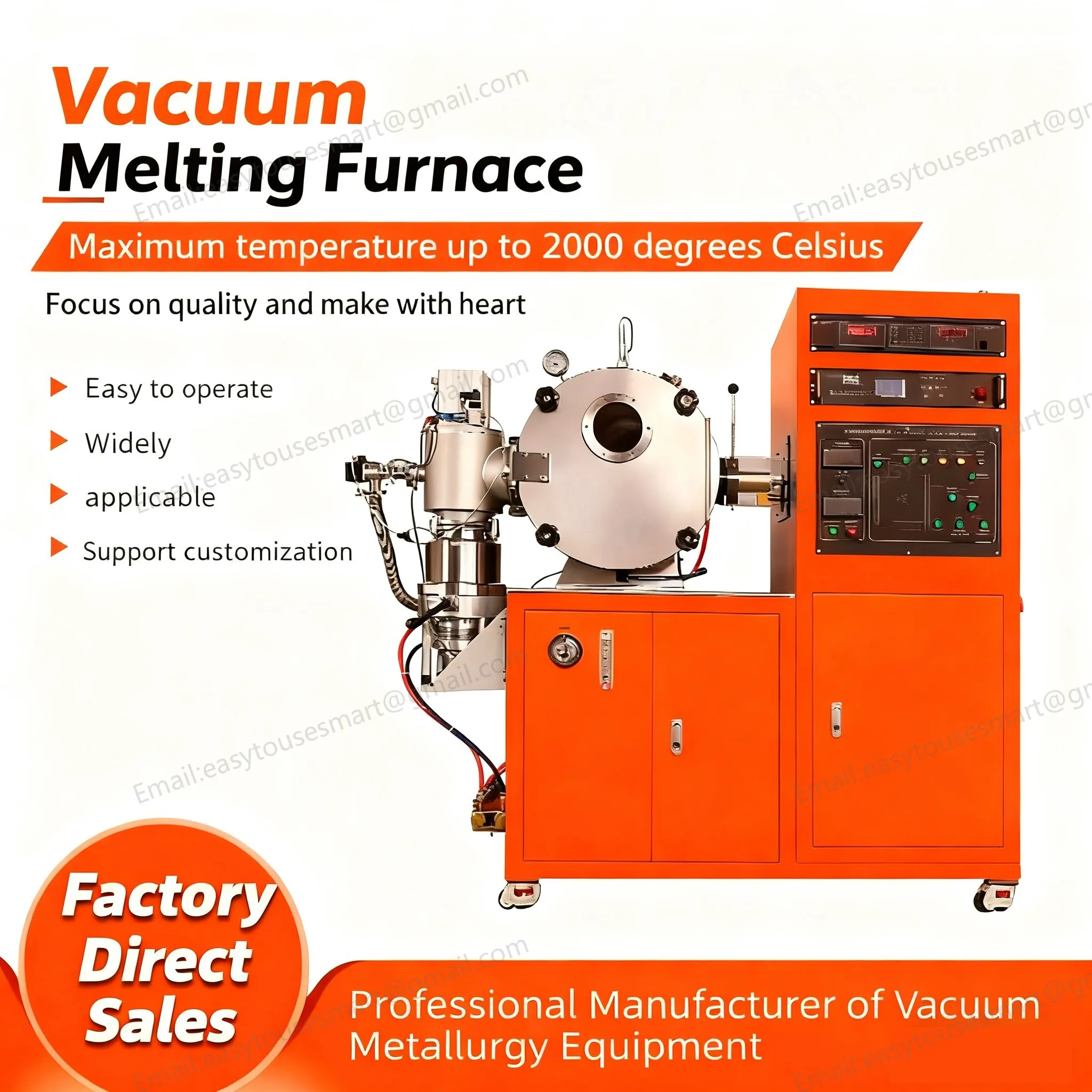
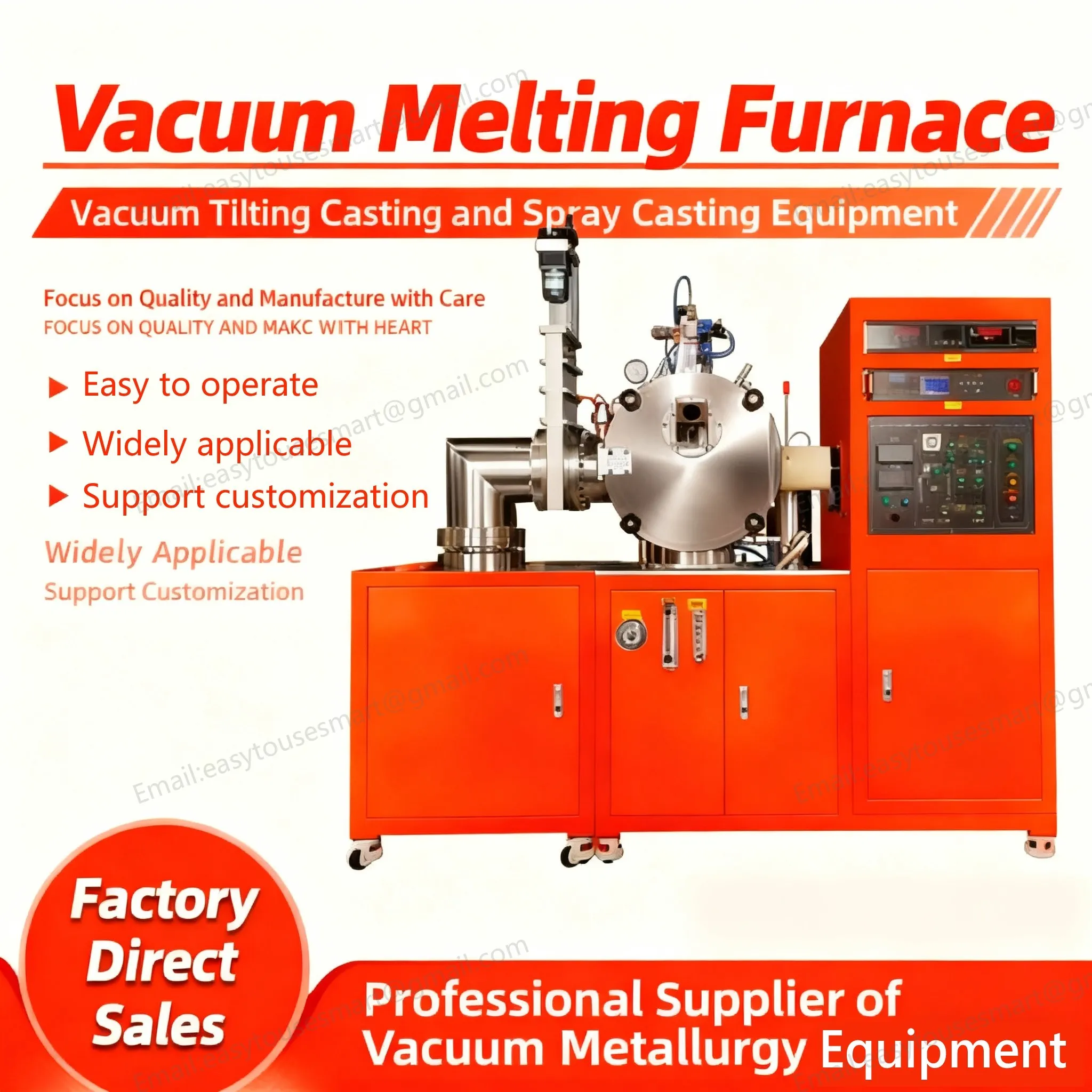
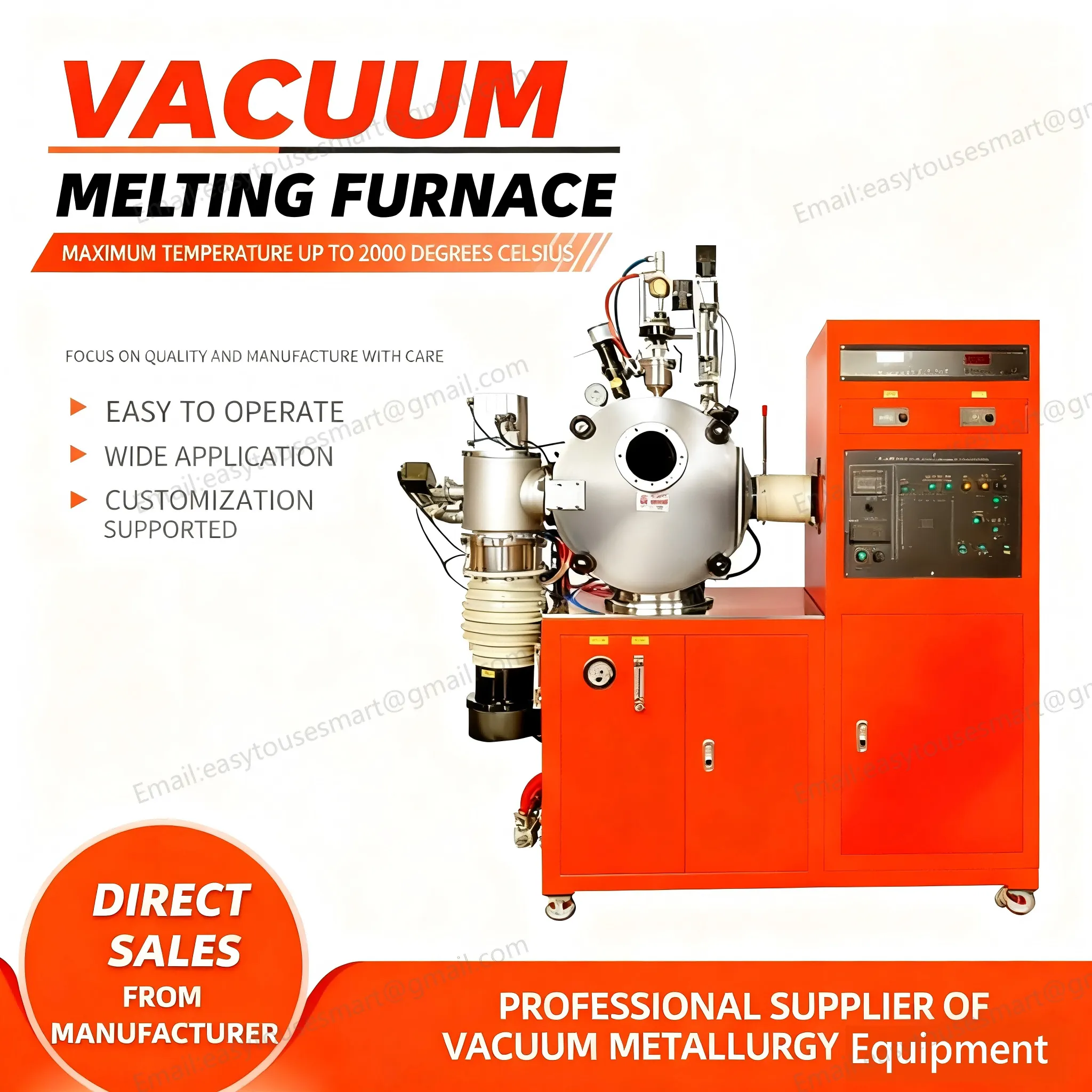
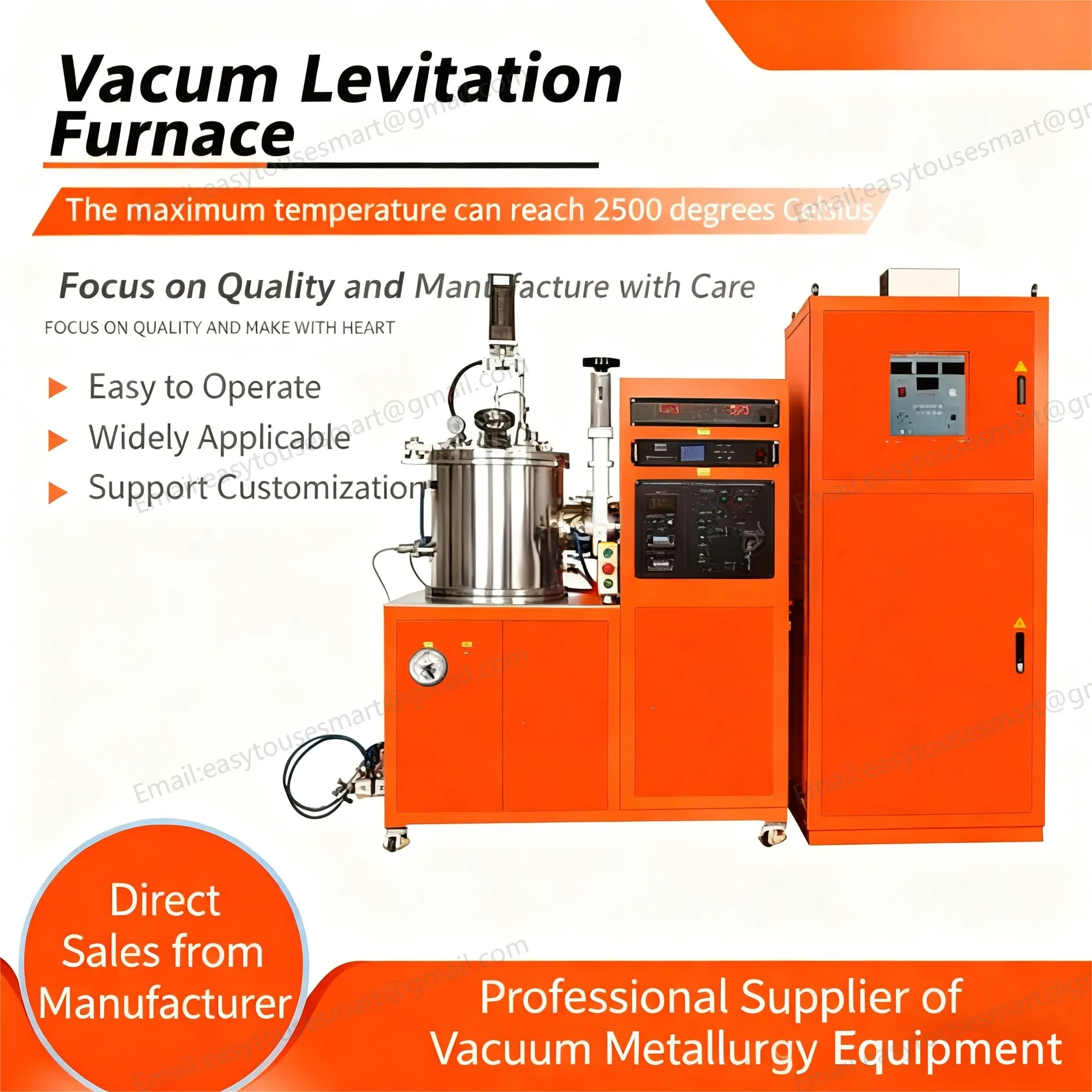
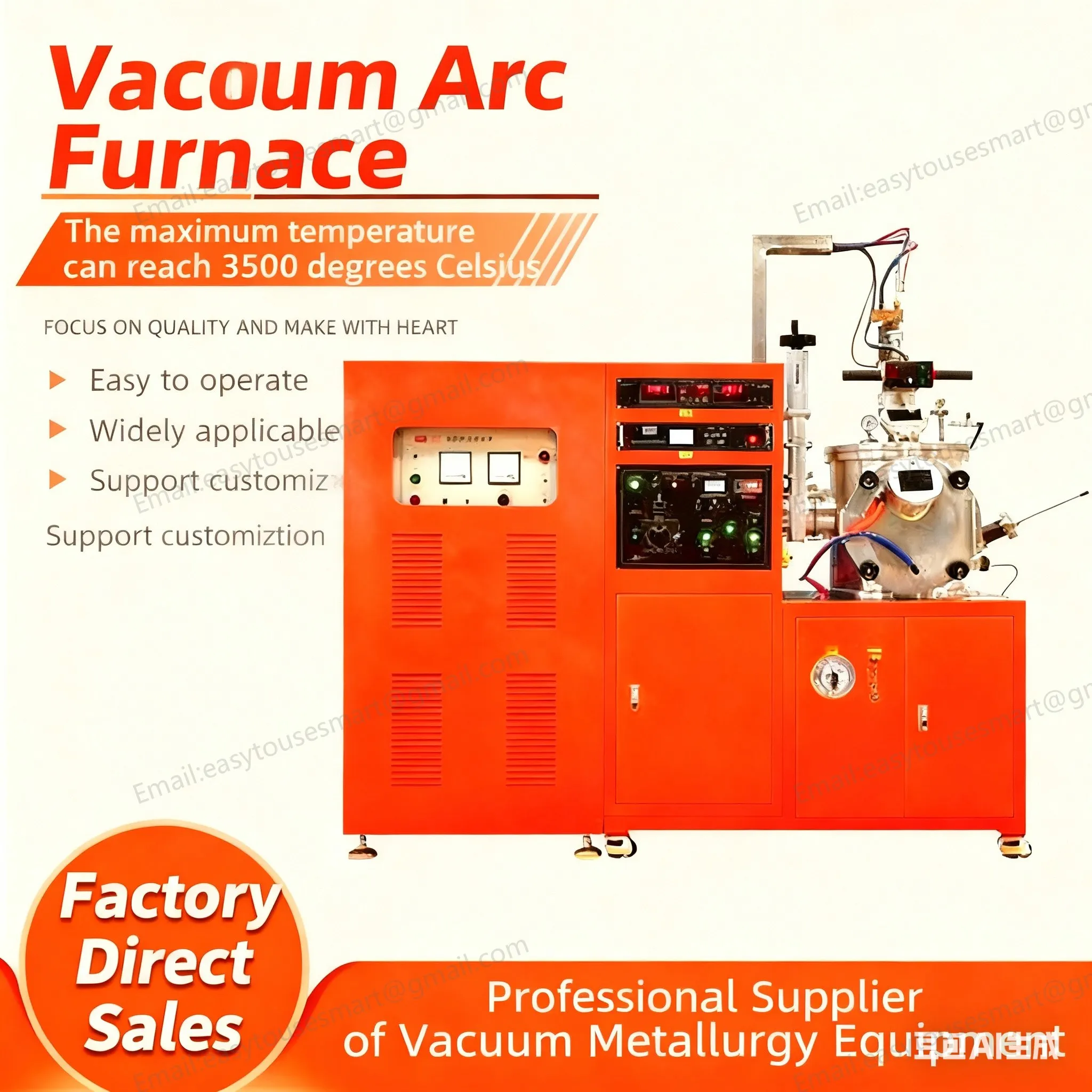
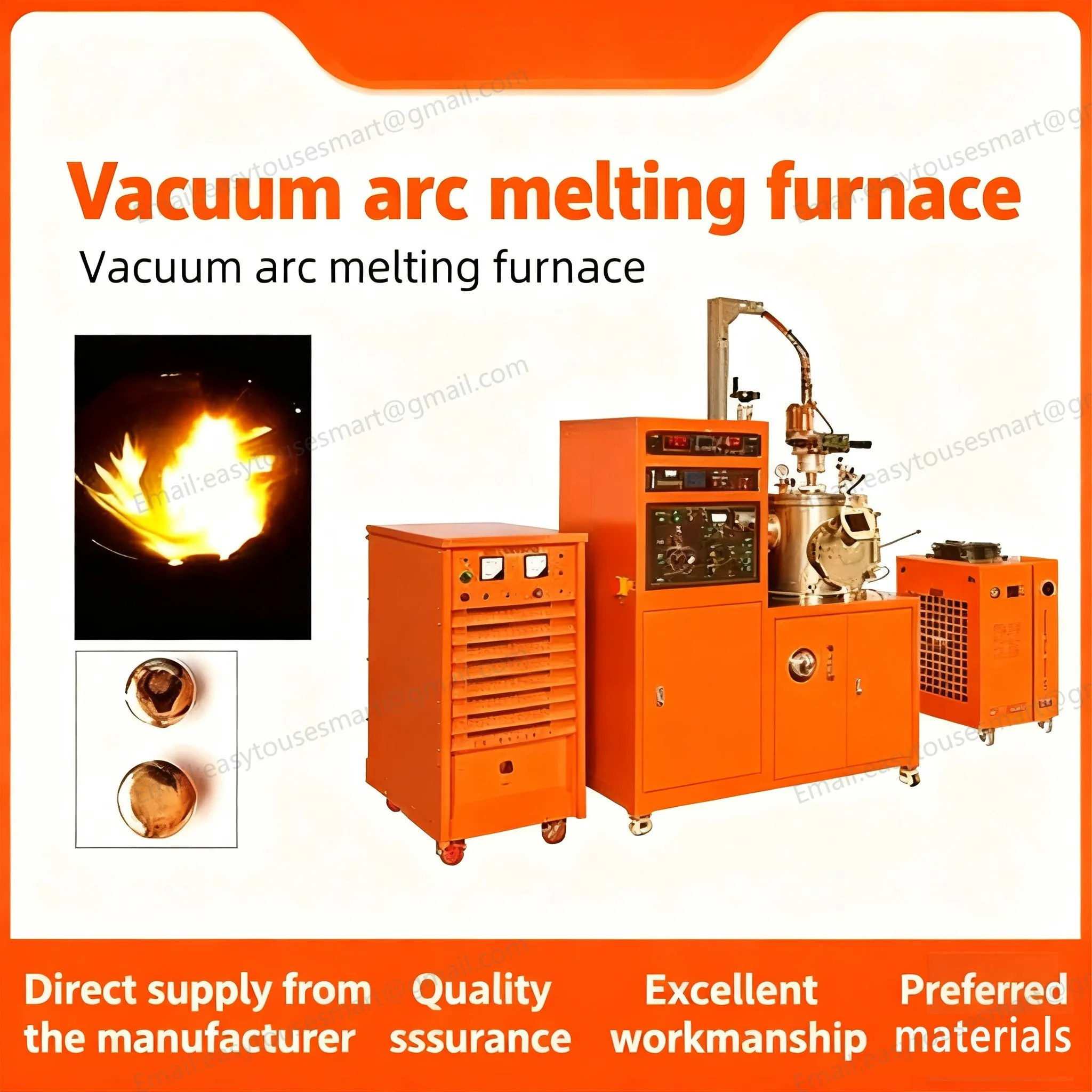
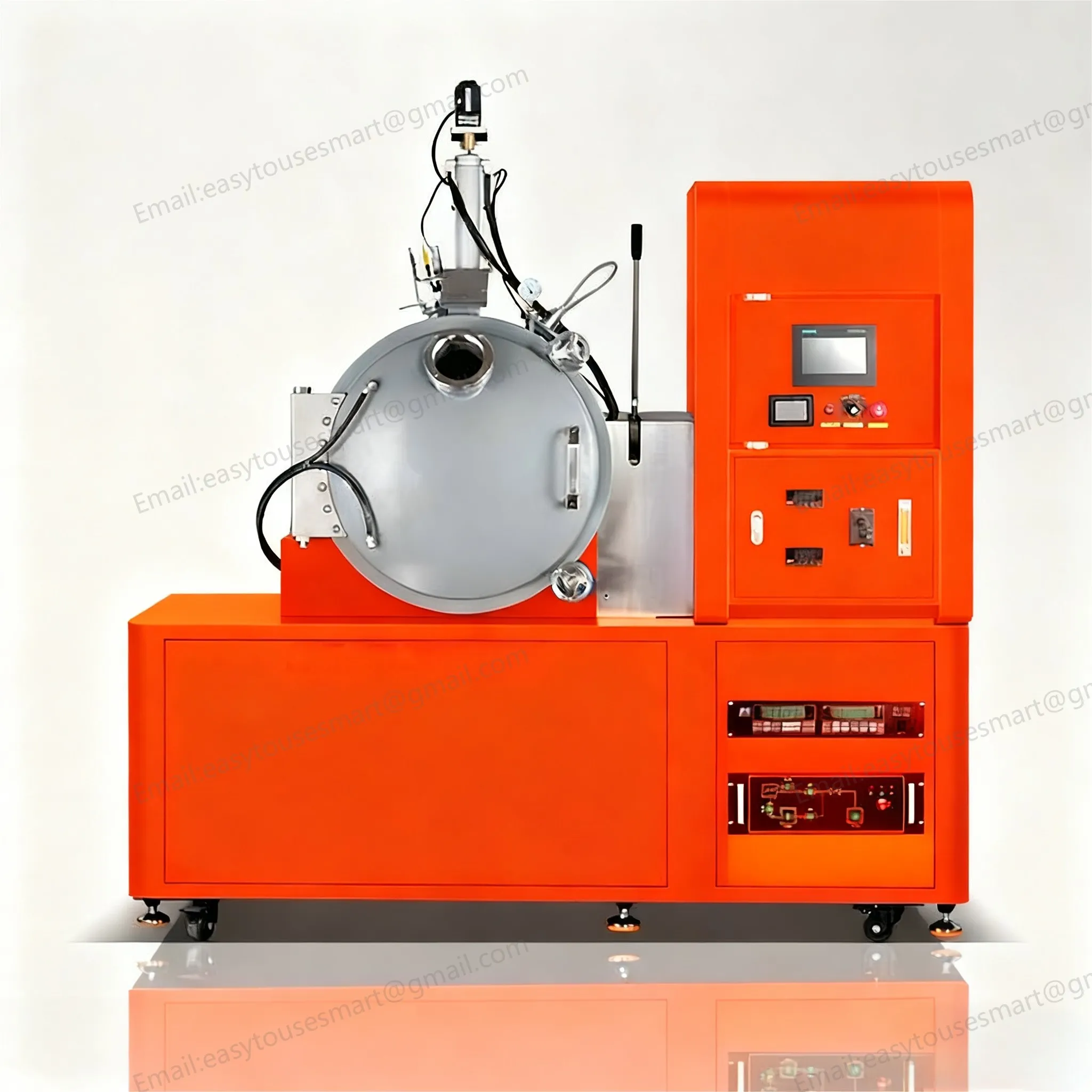
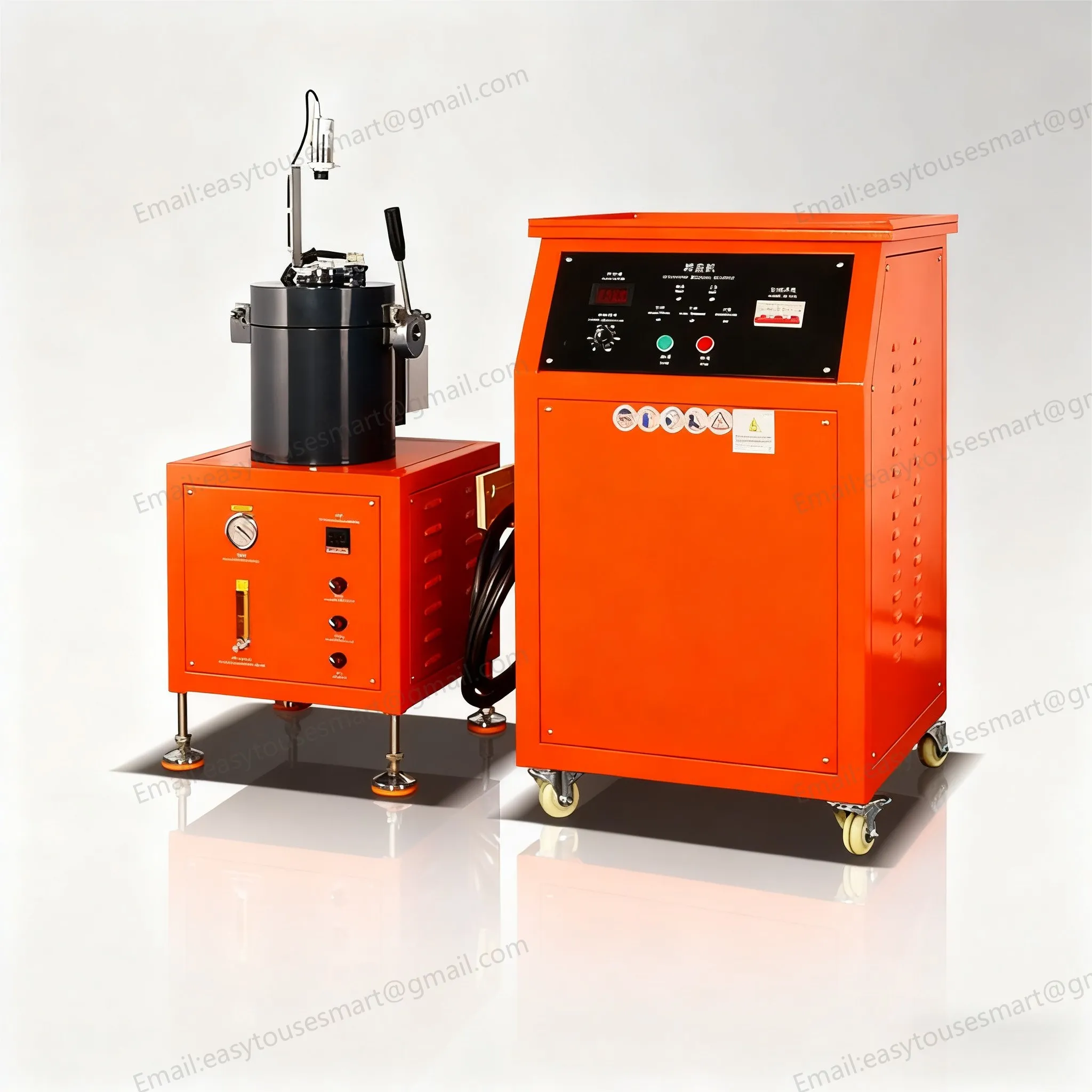
The experimental vacuum melting furnace is a critical device in materials science for producing high-purity metals and alloys. Its core function is to achieve precise composition control and microstructure optimization by superheating solid materials under vacuum conditions—differing from conventional heat treatment equipment that alters material ductility and hardness through low-temperature heating. Unlike conventional methods, this furnace must endure prolonged exposure to extreme temperatures (often exceeding 1500°C) and maintain ultra-strict impurity control in a vacuum environment. As the core component directly handling molten materials at high temperatures, the crucible's performance directly determines melting efficiency, material purity, and experimental safety. Consequently, crucibles must meet stringent requirements for material composition, high-temperature resistance, and geometric dimensions. Particularly for compact experimental vacuum melting furnaces, the demands are even more rigorous due to their limited volume and high-precision temperature control.
The Nine Core Requirements of Crucible for Experimental Vacuum Smelting Furnace
The vacuum environment and high temperature working condition of the vacuum melting furnace determine that the crucible must meet the multiple requirements of "high temperature resistance, anti-pollution, structural stability, low volatility" and so on. The specific requirements are as follows:
1. High thermal stability: Resistant to cracking caused by rapid temperature changes
In laboratory vacuum melting furnaces, frequent temperature cycling (e.g., rapid heating from room temperature to 1800°C and cooling back) is common. Crucibles with inadequate thermal stability may develop internal stresses due to thermal expansion and contraction, leading to cracking. Therefore, crucibles must exhibit excellent thermal shock resistance. For instance, magnesium oxide (MgO) and boron nitride (BN) crucibles can withstand rapid temperature cycling between 1000°C and room temperature without cracking, ensuring melt leakage-free operation during experiments.
2. High chemical stability: Eliminates contamination of molten materials by refractory materials
The primary objective of a vacuum melting furnace is to produce high-purity materials. Any chemical reaction between the crucible material and the molten metal (e.g., oxygen or silicon from the crucible contaminating the metal) will directly reduce material purity. Therefore, crucibles must exhibit high chemical inertness. For instance, boron nitride crucibles (BN) are ideal for melting reactive metals like titanium and zirconium due to their extremely low reactivity. For precious metal alloys such as gold and silver, high-purity alumina crucibles are recommended to prevent ion diffusion contamination of the molten metal, ensuring material purity exceeds 99.99%.
3. High Refractoriness and Structural Strength at High Temperature: Withstanding High Temperature and Furnace Charge Impact
Experimental vacuum melting furnaces typically operate at temperatures ranging from 1200°C to 2500°C (with tungsten alloy melting requiring temperatures above 2300°C). Crucibles must possess refractoriness exceeding the furnace's maximum operating temperature (generally 200°C higher) while maintaining structural integrity under high-temperature conditions. This ensures structural stability against deformation or collapse caused by material impact (e.g., solid material collisions during crucible loading) or molten metal static pressure. For instance, graphite crucibles with refractoriness exceeding 3000°C can meet the melting requirements of most high-melting-point metals, while their compressive strength remains above 15MPa at elevated temperatures.
4. High density and smooth working surface: Reduced melt residue and adhesion
Experimental vacuum melting furnaces require minimal material per run (typically 10-100g for small furnaces). Crucibles with low density or rough surfaces allow molten metal to infiltrate pores or adhere to the surface, causing material waste and complicating subsequent cleaning. Therefore, crucibles must achieve high density (volume density ≥3.5g/cm³) and smooth inner surfaces (surface roughness Ra≤0.8μm). For instance, sintered zirconia crucibles reduce molten metal contact area and metal residue adhesion rates, achieving over 95% material recovery in single experiments.
5. High Insulation: Suitable for Vacuum Smelting Electric Heating Requirements
Most experimental vacuum melting furnaces employ resistance or induction heating. Insufficient insulation of the crucible may cause current leakage, reduced heating efficiency, and even compromise temperature control accuracy. For example, induction heating vacuum furnaces require alumina crucibles with excellent insulation properties (room temperature resistivity ≥10¹⁴Ω·cm) to prevent electrical conductivity from interfering with magnetic field distribution, ensuring stable heating power.
6. Reduced sintering volume shrinkage: Ensures dimensional accuracy
Experimental crucibles must maintain precise geometric dimensions (e.g., inner diameter and height tolerance ≤±0.5mm). Excessive or uneven volume shrinkage during sintering can cause dimensional deviations, affecting both melt capacity calculations and heating uniformity. For instance, magnesium oxide crucibles require controlled shrinkage rates below 5% with uniform contraction, ensuring batch-to-batch dimensional consistency and enhancing experimental reproducibility.
7. Low volatility and good anti-hydration properties: Avoid contamination in vacuum environments
The vacuum level in experimental vacuum melting furnaces typically requires a range of 10⁻³Pa to 10⁻⁵Pa. Crucibles with high volatility (e.g., releasing gases or trace substances) at elevated temperatures may compromise the vacuum environment and impair melting efficiency. Conversely, crucibles prone to water absorption (poor hydration resistance) can cause moisture evaporation during heating, further degrading vacuum conditions. For instance, aluminum nitride (AlN) crucibles must exhibit low volatility (vaporization rate ≤1×10⁻⁶g/(cm²·h) at 2000°C) and excellent hydration resistance (water absorption rate ≤0.1% after 30 days at room temperature) to ensure stable vacuum performance.
8. Low gas discharge: Maintain high vacuum state
In a vacuum high-temperature environment, gases adsorbed in the crucible (e.g., hydrogen, oxygen, nitrogen) are released. Excessive gas release increases the vacuum pump's load, making it difficult to maintain high vacuum. Therefore, experimental crucibles require pretreatment (e.g., high-temperature sintering, vacuum degassing) to ensure low gas release. For instance, graphite crucibles must undergo 2-hour pretreatment at 1800°C under vacuum to reduce gas release to below 5×10⁻⁴ Pa·L/(s·cm²), meeting the demands of high-vacuum melting.
9. Economy: Balance between Performance and Cost
In laboratory vacuum melting furnaces, crucibles often require frequent replacement (e.g., after single experiments due to melt adhesion or minor wear). Therefore, crucibles must meet performance requirements while being resource-efficient and cost-effective. For instance, high-purity graphite crucibles (costing approximately 50-200 yuan per unit) are cost-effective for melting conventional alloys like aluminum or copper alloys. Conversely, more expensive boron nitride or zirconia crucibles are selected for reactive metals or high-purity materials to achieve a balance between performance and cost.
2. Three Key Methods to Improve the High Temperature Performance of Crucible in Experimental Vacuum Smelting Furnace
To further meet the stringent operating conditions of the experimental vacuum melting furnace, it is necessary to enhance the high-temperature performance of the crucible through process optimization. The core methods are as follows:
1. Optimization of raw material composition: Reduction of liquid phase content and enhancement of high-temperature resistance
Taking the commonly used magnesium oxide (MgO) crucible as an example, impurities such as CaO and SiO₂ in the raw materials form low-melting-point liquid phases at high temperatures, leading to a decrease in the crucible's high-temperature strength. By reducing the CaO content in MgO sand (below 0.5%) and the SiO₂ content (below 0.3%), while adjusting the CaO/SiO₂ ratio to below 1.0, the formation of liquid phases at high temperatures can be minimized. Simultaneously, the liquid phase formation temperature can be elevated from 1500°C to above 1700°C, ensuring the crucible maintains a stable structure even at 1800°C.
2. Stabilizing crystal grains: Enhancing high-temperature structural stability
The high-temperature performance of crucibles is closely related to the size and distribution of crystal grains. When the grains are fine and uniform, the grain boundaries bond tightly, resulting in superior thermal shock resistance and strength. By adding grain stabilizers during crucible preparation (e.g., 0.1%-0.3% chromium oxide in alumina crucibles), excessive grain growth can be suppressed, keeping the grain size within 5-10μm. This also enhances the bonding strength between grains and reduces the risk of grain boundary cracking at high temperatures.
3. Optimization of sintering process: Enhancing density and reducing porosity
Sintering is the critical process determining crucible density and porosity. By controlling sintering temperature (e.g., increasing the sintering temperature of magnesium oxide crucibles from 1600°C to 1750°C), extending holding time (from 2 hours to 4 hours), and employing pressurized sintering (5-10 MPa), the internal particles of the crucibles can be fully bonded. This enhances density from 85% to over 95% while reducing porosity to below 5%. Simultaneously, it forms a well-structured recrystallized mosaic in the sintered layer, enabling direct solid-phase bonding and mitigating the adverse effects of liquid phases on high-temperature performance. For instance, optimized magnesium oxide crucibles demonstrate a 30% improvement in high-temperature compressive strength.
III. Selection Criteria for Geometric Dimensions of Crucibles in Experimental Vacuum Smelting Furnaces
The geometric dimensions of the crucible in the experimental vacuum melting furnace should be matched with the furnace volume, heating method, and melt capacity to ensure uniform heating and convenient operation. The specific selection criteria are as follows:
1. Wall thickness: matched diameter to balance strength and heat transfer efficiency
An excessively thick crucible wall results in slow heat transfer and uneven heating, while an overly thin wall lacks sufficient strength and is prone to deformation. Typically, the wall thickness of crucibles in small-scale experimental vacuum melting furnaces should be 1/8 to 1/10 of the crucible's diameter after forming. For example, a crucible with an inner diameter of 80mm should have a wall thickness of 8-10mm, and one with an inner diameter of 50mm should have a wall thickness of 5-6mm. This ensures adequate strength while enabling rapid heat transfer, maintaining the melt temperature uniformity within ±5℃.
2. Melt volume: Allow safety clearance to prevent overflow
During the experiment, the melt expands when heated, and splashing may occur during material addition. Therefore, the volume of molten steel (or other melts) in the crucible must be controlled within 75% of the total crucible capacity—for example, in a crucible with a total capacity of 100 mL, the melt volume should be kept below 75 mL to prevent overflow during heating, which could lead to equipment contamination or safety incidents.
3. Crucible angle: Facilitates molten metal pouring and cleaning
The angle of the crucible's top opening (the angle between the crucible wall and the horizontal plane) should be designed to be approximately 45°. This angle facilitates the pouring of the molten material after the experiment (reducing residue) and prevents the raw materials from accumulating at the edges of the crucible during loading. It ensures that the raw materials fully fall into the bottom of the crucible, making full contact with the heating zone to enhance melting efficiency.
4. Furnace base thickness: to enhance load-bearing capacity
The crucible base must withstand the static pressure of the molten metal, and its temperature during heating is typically higher. Therefore, the furnace bottom thickness should be greater than the side wall thickness, generally 1.5 times the furnace wall thickness—for example, a crucible with an 8mm side wall thickness should have a 12mm furnace bottom thickness to prevent deformation or damage caused by the combined effects of high temperature and pressure.
sum up
The crucible requirements for experimental vacuum melting furnaces are centered on "high-temperature stability, low contamination, and high adaptability." Every aspect—from material selection to performance optimization and dimensional design—directly impacts the accuracy and safety of experimental results. In practical applications, crucible types must be selected based on the characteristics of the materials being melted (e.g., melting point, reactivity), experimental temperature, and vacuum requirements. Crucible performance can be enhanced through raw material optimization and process improvements, while matching appropriate geometric dimensions. Only by meeting these criteria can the advantages of experimental vacuum melting furnaces be fully utilized to produce high-purity, high-performance material samples, thereby providing reliable support for material science research.
QR code

Contact information
15738867410
Online Message
Top